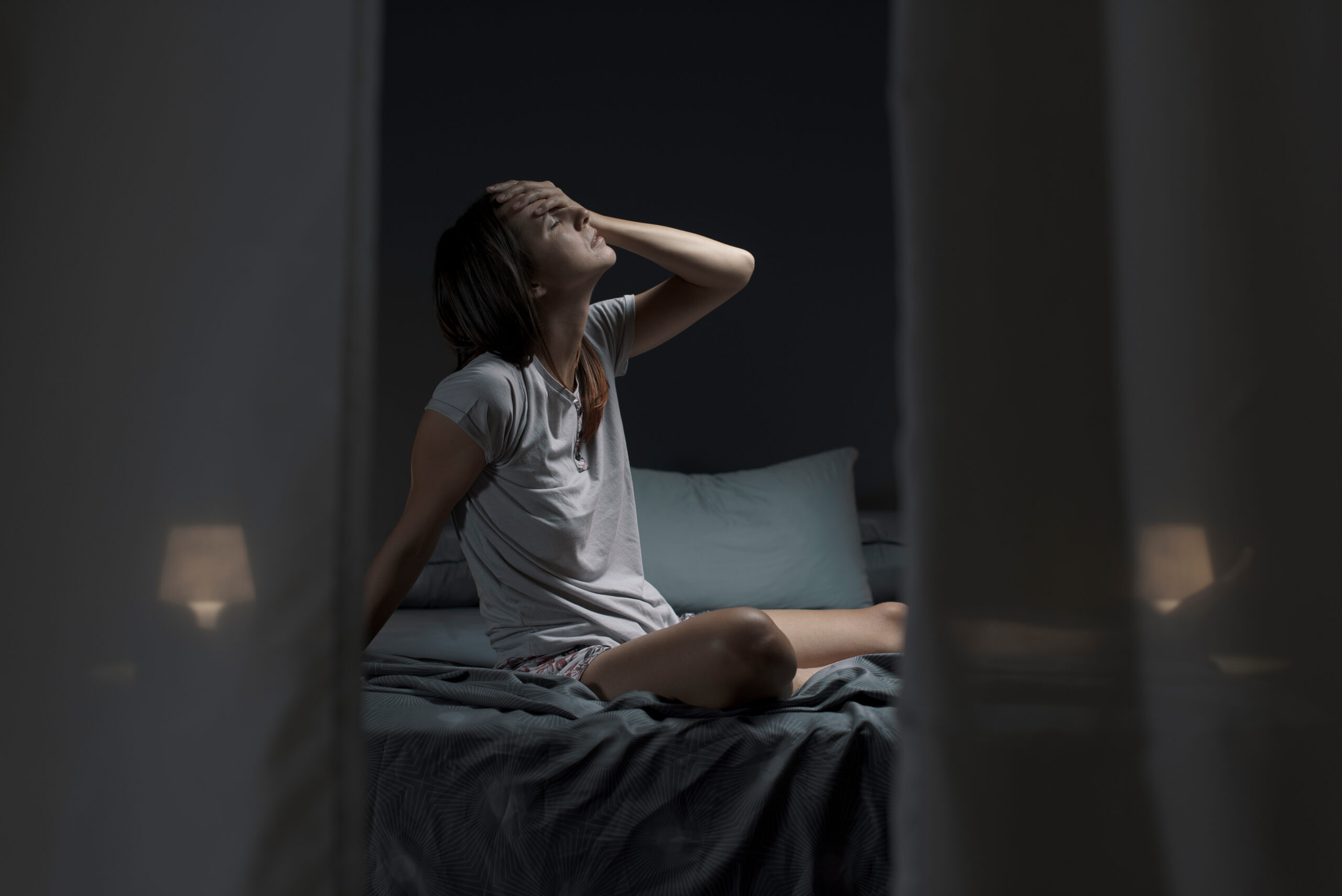
Are you one of the women who experiences night hot flushes and disrupted sleep? You are far from alone. When menopause occurs, many women experience a reduced quality of sleep, often caused by night hot flushes, also known as night sweats.
Menopause affects women differently and occurs at different ages, but most women experience increased sensitivity to temperature fluctuations during this time.
What is going on in the body during menopause?
Climacteric, commonly known as menopause, occurs primarily because the ovaries stop producing the female sex hormones oestrogen and progesterone. Menopause covers the period around perimenopause and menopause, during which many women experience symptoms.
Perimenopause typically begins around the age of 35–40 and continues until menopause, which is defined as the anniversary of the final menstrual period. These two phases — perimenopause and menopause — are collectively referred to as menopause.
The average age of menopause is around 51–52 years. There is no fixed duration for menopause. For some women it is short, while for others it lasts several years. Some women go through menopause with no symptoms, while others may experience a wide range of physical and psychological symptoms.
If you would like to know more about menopause and its symptoms, you can read more in one of our articles on menopause and fermented red clover here.
Why you suffer night sweats?
Hot flushes, both during the day and at night, are one of the well-known companions of menopause. The exact causes are not yet fully understood. However, one explanation lies in fluctuations in the primary female sex hormones, which during early perimenopause fluctuate significantly before eventually declining to very low levels approaching and after menopause.
During this period, the body becomes more sensitive to temperature changes, meaning even a slight increase in temperature can trigger a hot flush. The body attempts to release heat by dilating blood vessels close to the skin, increasing surface area and thereby releasing heat and triggering sweating.
At the same time, women during this phase are often more sensitive to stress, which may be associated with higher cortisol levels (the body’s long-term stress hormone). High stress hormone levels combined with low sex hormone levels may also act as a trigger for hot flushes in many women.
Night sweats often occur more frequently for some women than daytime episodes. This can reduce sleep quality and negatively affect overall wellbeing. All menopausal symptoms related to hot flushes and night sweats are linked to declining levels of oestrogen and progesterone. Some women experience only a few hot flushes per day, while others may experience up to a hundred in a 24-hour period.
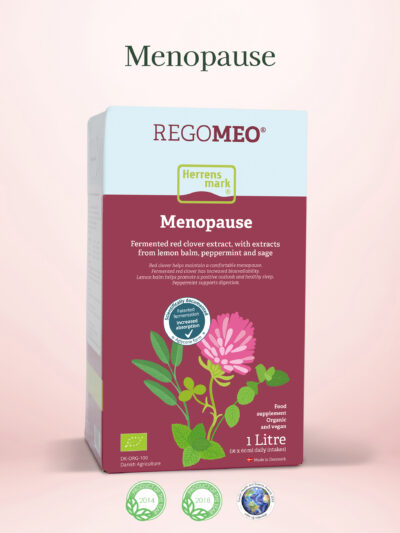
Night sweats and other menopausal symptoms may be supported by fermented red clover, combined with extracts of lemon balm, sage, and peppermint. A randomised, double-blind, placebo-controlled clinical study conducted by Aarhus University in Denmark has shown that fermented red clover can reduce hot flushes by 23% and sweating by up to 40%.
Why does fermented red clover work for night sweats?
Red clover has been used for centuries due to its plant compounds, which resemble the female sex hormone oestrogen.
The plant compounds in red clover, known as isoflavones or phyto-oestrogens, bind to oestrogen receptors in the body — with a stronger affinity for beta receptors, which are found in areas such as bones, the brain, heart, lungs, intestines, and urinary tract.
For some women, red clover may help balance the decline in oestrogen that occurs during menopause, when the body’s own production decreases. This means that fermented red clover may help reduce both daytime and night-time hot flushes and support overall hormonal balance.
At the same time, fermented lemon balm contributes to normal sleep patterns and a positive mood, helping to reduce fatigue and mood swings.
You can read more about this topic in our article on red clover for hot flushes here.
Good advice for night sweats
There are many helpful tips for reducing night hot flushes. It is about finding what works for you. Here are a few suggestions:
Focus on stress reduction
Make time for yourself in your daily routine. Focus on activities that nourish you and activate the parasympathetic nervous system (yoga, walks in nature, meditation, massage, body scan — whatever works for you).
A cool bedroom with light bedding
Most people experiencing night sweats benefit from keeping the bedroom cool, either by sleeping with a window open or airing the room well during the day. Lightweight duvets and thin cotton or silk bedding can also feel more comfortable.
Focus on diet
Many women find that certain foods can trigger hot flushes, particularly coffee, alcohol, sugar, and spicy foods.
Support hormonal balance
You may wish to support your daily diet with fermented red clover.
How to prevent night sweats?
Plants and herbs have been used for centuries to make menopause more manageable, particularly in relation to hot flushes. Red clover may help reduce sensitivity to temperature increases and contribute to a more comfortable menopause.
REGOMEO, a fermented red clover extract from Herrens Mark, is fermented using lactic acid bacteria, which naturally preserves the product so it can be produced without added alcohol or preservatives. The extract is also unpasteurised, helping to preserve the live lactic acid bacteria.
You can read more about REGOMEO here.
Learn more
If you are
curious to learn more about menopause, fermented red clover, or the human body
in general, you can explore our “Knowledge” section, where we share the
scientific foundation behind our work at Herrens Mark.
Go directly to “Knowledge” here.